RSS

Monthly Archives: November 2012

Image

Φωτό: José Medeiros

Φωτό: José Medeiros

Critical Commentary (3)

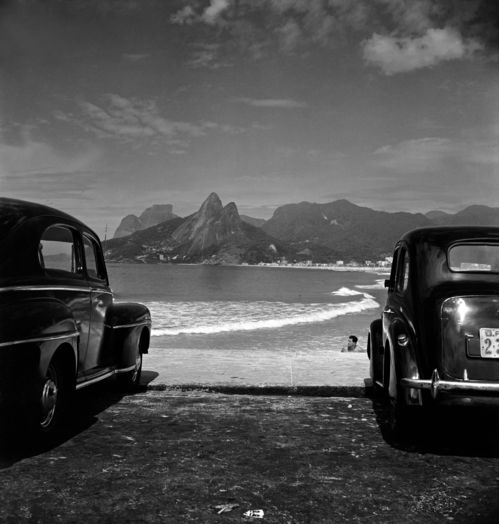
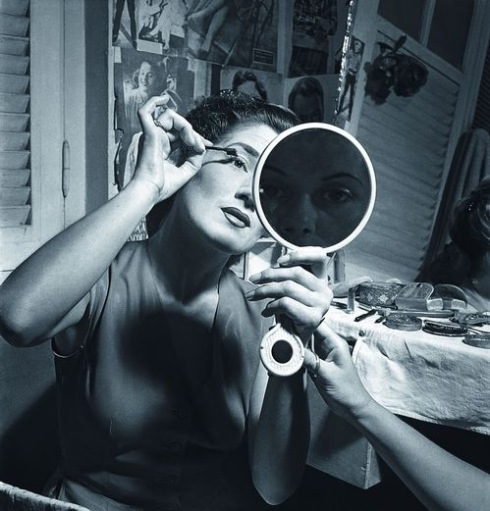
As the Hungarian photographer Robert Capa (1913-1954) used to say, if a picture is not satisfactory enough, it is because the photographer was not close enough to the subject. Medeiros’ photographs seem to have been made according to this maxim, showing he was not a spectator distanced from the subjects he recorded. He chose the side of discretion, thus managing to include himself in the scenes to capture the subjects at ease, often at intimate moments. He was one of the first reporters of O Cruzeiro to adopt the German 35mm camera Leica, which allowed him greater mobility to work and rendered his pictures spontaneity.

Medeiros placed emphasis on clearly conveying the information over the formal exploration of compositional elements (angle shots or images bordering on abstractions, for example). He nearly always preferred natural light and eye-level framing, trying to render his images a sense of immediacy. He turned his attention to people, whether famous or anonymous figures of the streets. He focused on their gestures, expressions and movements, seldom trying to record them beside objects or amid surroundings which might reveal their personalities.

Like the German photographer Erich Salomon (1986-1944), who became known in the 1920s as one of the first to portray statesmen in non posed, informal situations, Medeiros also attempted to demystify public personalities, as in the series of photographs made in 1959 showing president Juscelino Kubitschek (1902-1976) eating a mango fruit during a lunch in Brasília.
 

Tags: ,

Image

Φωτό: José Medeiros

Φωτό: José Medeiros

Critical Commentary (2)

The reporters of the magazine joined the Villas-Boas brothers in the Roncador-Xingu Expedition, which, in the 1940s and 1950s, was the first ever to contact several Indian tribes of Northwestern Brazil. The photo-essays of O Cruzeiro showed firsthand images of the Brazilian Indians to a wide public. Nevertheless, these peoples were shown as barbarian and uncivilized, and their images as incompatible with the ideology of progress.2 One of Medeiros’ most well-known photographs, taken while he accompanied the Villas-Boas brothers in 1949, shows an Indian man pushing an airplane. The posed photo became emblematic of the contrast between the “modern” and the “savage”.

Like other photojournalists of O Cruzeiro, José Medeiros became a very popular figure working for the magazine. The publication, which had a far-reaching circulation and impact, advanced the notion of the photographer as a hero who faced all sorts of dangers to show aspects of the country which until then had been unknown to the public.


Tags: ,

Image

Φωτό: José Medeiros

Φωτό: José Medeiros

Critical Commentary (1)

José Medeiros was one of the staff photographers led by Jean Manzon (1915-1990) who participated in the editorial renovation of the magazine O Cruzeiro [The Crux], beginning in 1943. Based on the model of international magazines such as the American Life and the French Paris Match, the project introduced photojournalism in the Brazilian press. Pictures were given special emphasis and the renovation contributed to disseminate the aesthetics of modern photography in Brazil: close-ups, unusual angles, picture spreads, geometric frames etc.

O Cruzeiro mainly focused on subjects relevant to the nationalist ideology, conveying an image of Brazil as a country bound for progress and modernity. According to the researcher Helouise Costa, the most recurring subjects were profiles of political and artistic personalities, sports and recreation scenes (beach, soccer and carnival), art, science, nature, adventure, the city as a symbol of progress, the “grotesque” (physical deformations and sensational crimes), the “exotic” (indigenous people, non-Catholic religions and popular celebrations) and the cultural diversity of the country itself.1
Within this context, Medeiros’ work was diversified and partially followed the editorial line of the magazine.

He photographed artists and prominent politicians of the time, Rio de Janeiro’s beach life and carnival, becoming well-known mainly for registering people, communities and cultural manifestations of marginalized groups, like the black people, candomblé, mental patients, prostitutes and Indian tribes. Medeiros’ approach rendered the destitute dignity, when viewed apart from the editorial treatment given to photographs in the magazine


Tags: ,

Image

Φωτό: José Medeiros

Φωτό: José Medeiros

Biography


José Araújo de Medeiros (Teresina PI 1921 – L’Aquila, Itália, 1990). Photographer. He took up photography as an amateur around 1937, in his hometown. In 1939, he moved with his family to Rio de Janeiro, where he worked as a civil servant for the Post and Telegraph Company and the National Department of Coffee. In this period, he portrayed artists in a makeshift home studio and worked as a free-lance photographer for the magazines Tabu [Taboo] and Rio. In 1946, the French photographer Jean Manzon (1915-1990) invited him to join the staff of the magazine O Cruzeiro [The Crux], where he worked until 1962. In 1957, he published the book Candomblé, the first to document in pictures this Afro-Brazilian religion. Together with Flávio Damm (1928), he ran the photo agency Imagem [Image], from 1962 to 1965. Afterwards, he began working as a cinematographer, as well as directing short-films and the feature Parceiros da Aventura [Partners in adventure], 1979. He photographed some classics of Brazilian cinema, like A Falecida [The dead woman], 1965, of Leon Hirszman (1937-1987); Xica da Silva, 1976, of Cacá Diegues (1940); and Memórias do Cárcere [Memories of prison], 1983, of Nelson Pereira dos Santos (1928). In the late 1980s, he taught photography at the International School of Cinema of San Antonio de Los Baños, in Habana, Cuba. In 1986, the Fundação Nacional de Arte (Funarte) [National Art Foundation] held the retrospective exhibition José Medeiros, 50 Anos de Fotografia [José Medeiros, 50 years of photography], in Rio de Janeiro, and published a book on his work by the same title.


Tags: ,

Image

Μαρία Τσολιά, Νοέμβριος

Μαρία Τσολιά, πεζό

Νοέμβρης αντιφατικός, ενστικτώδης, εσωστρεφής, αινιγματικός. Πορεύεται με άνεση στις υγρές ομίχλες του Broceliande, σε επαφή με το αόρατο, με την όσφρηση της αρκούδας. Τελετουργεί αρχαίες λατρείες της φύσης, όταν πέφτει ο ήλιος. Αυτή είναι η ώρα του. Παλιό porto σε σκοτεινό κελλάρι και άρωμα σανταλόξυλου. Ήχος νάι, κέλτικης άρπας και Bolero του Ravel,ναι αντιφατικός. Στυφή αφθονία από ρόδι και κόκκινα άγρια φρούτα. Βελούδο από κάστανα στη φωτιά. Κυπαρισσί, μπορντώ, μαύρο-γκρι ακατέργαστου γρανίτη. Δάση με κέδρους και βελανιδιές μελιάνες αλλόκοτες. Πέτρινο στενό γεφύρι. Δύση στις απότομες ακτές της Βρετάνης. Φαράγγια στην έρημο της Αμερικής. Θάλασσα ανοιχτή. Θάλασσα μέσα. Περισυλλογή, ενδοσκόπηση, συναίσθηση, παρά μελαγχολία. Μοναχικός σκαπανέας μνήμης. Αλιέας μυστικών, γεμωλόγος και αλχημιστής. Ανάμεσα
στη ζωή και το θάνατο. Αξεχώριστα. Μοιάζει ουδέτερος, αλλά όταν θα φύγει θα σου έχει πάρει ή θα σου έχει δώσει κάτι σημαντικό. Έρωτας και θάνατος. Όχι (μόνον) αυτός ο καθημερινός, ο άλλος, που σου αλλάζει
σχήμα και υπόσταση. Η Ζωή η ίδια.

Πίνακας: Kirra Jamison 


Tags:

Image

Η τέχνη ως πρόσχημα

Η τέχνη ως πρόσχημαΟ ώριμος και ενσυνείδητος καλλιτέχνης, απόλυτα αυστηρός και ειλικρινής με τον εαυτό του, ασίγαστος αγωγιάτης και κριτής των μύχιων σκέψεων, του σαρκοβόρου ψυχισμού του, της αέναης πλάνης του, που επικαλύπτει το αβάστακτο και τον ποιεί συνιδρυτή των αισθητικών τοπίων του ευνουχισμού του κόσμου, έχει να αποδεχθεί το οξύμωρο της γενεσιουργού ματαιότητας του κοινωνικού του ρόλου και της ύπαρξής του : η Τέχνη του, η όποια Τέχνη, δεν είναι τίποτε άλλο από μία απλή εφεύρεση, ένα βολικό πρόσχημα για τη συμβολική επένδυση αυτής της ακάματης αδυναμίας του απέναντι στο θάνατο (η στρατευμένη τέχνη είναι ένα πρόσφορο παράδειγμα) και της ασίγαστης ορμής να του αντιταχθεί, μέσα από τη διαφορετική του εγγραφή σε κείνο που τον καταστρέφει.

Φωτό: Robert and Shana Parkeharrison


Tags: , , , ,

Image

Φωτό: Fable, Robert and Shana Parkeharrison

?


Tags: ,

Image

Στέλλα Δούμου

Πέρλες διαδικτύου: Στέλλα-Oυράνια Δήμου, ποίηση

Μωβ δρόμοι, μωβ πόλη, τα παράθυρα βρίθουν
απαγγελίες αλογόνων άστρων
και τεχνάσματα της επίκουρης νύχτας.
Γεράκια βγαίνουν από σαξόφωνα.
Τροχασμοί πιάνων
σε ανάκλιντρο αίσθημα – και
λίγα λέω.
Ουίσκι με γεύση τύρφης κι ομίχλης
από μέρη φωλιασμένα στη σκουριά των φάρων
από μέρη κρεμασμένα στη διαδρομή ακέφαλων ιππέων.
Μαύρη πιατέλα με παχουλά φωνήεντα
ο ουρανός.
Κι η σάλτσα του φεγγαριού γλυκόξινη.
Η λειτουργία της μουσικής θερμή
στον ύπερό της.
Καπνοί αναθρώσκουν παρελθόν κρεολών
κι επίγευση βούτυρου, βανίλιας και βυθού.
Βυθοί φωνών, του βραχνού χρόνου η πίστωση
σε λαρύγγια επενδυμένα βελούδο.
Τόσα φασματικά έμπλαστρα
τόση λιπαρότητα θαυμάτων
στις δοσοληψίες της νύχτας
και συ να επιμένεις
να δειπνήσεις
ελαφρά;
Πλευρώτους αγκαλιά με πεφταστέρια για μένα. Και blues για να ορκιστώ πως θα χορτάσω.
Στέλλα Δούμου, Πλόκαμοι της Βερενίκης
Πίνακας:Graham Dean


Tags: , , ,

Video

Τάσος Λειβαδίτης, Οι γυναίκες με τ’ αλογίσια μάτια

 Anke Merzbach 7

.

Γιατί οι γυναίκες έχουν προαιώνιους,
μυστικούς δεσμούς με το αίμα
αίμα της ήβης, αίμα της παρθενιάς, αίμα της γέννησης
και βλέπουν πως τα λόγια στάζουν αίμα
λογχισμένα από τη δυσπιστία
και βλέπουν πως οι πράξεις τρέχουν αίμα
απ’ τη δειλία αποκεφαλισμένες
αίμα στα χέρια, αίμα στις κούπες, αίμα στο ψωμί
αίμα για να γεννηθείς,
αίμα για να πεθάνεις
βαθύ, σα θαύμα, ανθρώπινο αίμα.

Τάσος Λειβαδίτης, Οι γυναίκες με τ’ αλογίσια μάτια, Εκδόσεις Κέδρος

Πίνακας: Anke Merzbach

.

.


Tags: , , , , ,

Image

Πίνακας: Chen Mantian

Πίνακας: Chen Matian

Seeing bulbous goldfish swimming through air in the tangible world may be a physical impossibility, but at least it’s a visual realization in these Chen Mantian portraits. In addition to rendering beautiful women in his paintings, Mantian incorporates aquatic animals gracefully floating about as naturally as they would under water. It adds a surreal element to his stunning photo-like images, and viewers get a euphoric rush from staring at something so bizarrely mesmerizing.

Aside from these works, Chen Mantian also paints more traditional pieces that capture the loveliness of his subjects and their surroundings. He often depicts women of Chinese ethnicity using techniques that are commonly associated with Western art. This distinct marriage of technique and subject matter makes Mantian’s creations stand out in comparison to his contem Seeing bulbous goldfish swimming through air in the tangible world may be a physical impossibility, but at least it’s a visual realization in these Chen Mantian portraits. In addition to rendering beautiful women in his paintings, Mantian incorporates aquatic animals gracefully floating about as naturally as they would under water. It adds a surreal element to his stunning photo-like images, and viewers get a euphoric rush from staring at something so bizarrely mesmerizing.


Tags: , ,