RSS

Tag Archives: USA

Image

Φωτό: Weege (Arthur H. Fellig) – (1899-1968)

Φωτό: Weege (Arthur H. Fellig) – (1899-1968)

Fellig’s photographs appeared in nearly all of New York’s newspapers including New York Tribune, New York Post, World-Telegram, Daily News, Journal-American, PM and the New York Sun. In 1941 the Photo League put on an exhibition of his work, Weegee: Murder is My Business.

After the publication of his highly successful book, Naked City (1945). Fellig abandoned crime photos and concentrated on advertising assignments for Life, Vogue, Holiday, Look and Fortune. Other books by Fellig included Weegee People (1946), Naked Hollywood (1953) and Weegee by Weegee (1961). Arthur Fellig died on 26th December, 1968.


Tags: , ,

Image

Φωτό: Weege (Arthur H. Fellig) – (1899-1968)

Weege (Arthur H. Fellig) – (1899-1968)

Arthur Fellig was born in Zloczew, Poland, in 1899. When Fellig was eleven his family moved to the United States and they settled in New York City. Arthur’s father worked as a pushcart vendor and a janitor in a tenement building.
Fellig left school at fourteen to help support his family. His first job was as an assistant to a commercial photographer. He also obtained extra money by taking street portraits.

In 1918 Fellig was employed as a darkroom technician by Ducket & Adler in Lower Manhattan. This is followed by similar work with Acme Newspictures (later absorbed by United Press International Photos).

In 1935 Fellig left his job as a darkroom technician and attempted to make a living as a freelance photographer. By monitoring police and fire-department radio calls Fellig was able to obtain a large number of dramatic photographs. The ability to be the first photographer on the scene of a major incident, resulted in him being given the nickname, Weegee (a reference to the fortune-teller’s Ouija board).


Tags: , ,

Image

Πλάνεμα (στίχοι τραγουδιού)

Πλάνεμα (στίχοι τραγουδιού)

Με κεράσι στο στόμα
και πίκρα στο σώμα
το κορμί σου γητεύω
στο πλάνεμα παιχνίδι σου
παράδοση γυρεύω

Τραμπάλα, τραμπαλίζομαι
στο διχασμό λικνίζομαι
τι νέα μου ανατέλλεις
όταν το σκας και φεύγεις;

Κι όμως δε φταις εσύ
που έταξες το βλέμμα σου
στην άλλη τη σκηνή,
εγώ σημαίνω πανικό
σ’ ό,τι φαντάζει αληθινό.

Με φόντο στο ψέμα
και πάγο στο αίμα
ρυθμικά ανασαίνω
στο πλάνεμα παιχνίδι σου
το θάνατο πεθαίνω

Τραμπάλα, τραμπαλίζομαι
μες στο κενό ζαλίζομαι
τα κύτταρά μου πώς σκορπάς
στα ξαφνικά όταν σιωπάς

Κι όμως δε φταις εσύ
που έταξες το βλέμμα σου
στην άλλη τη σκηνή,
εγώ σημαίνω πανικό
σ’ ό,τι φαντάζει αληθινό.

Αθήνα 1999

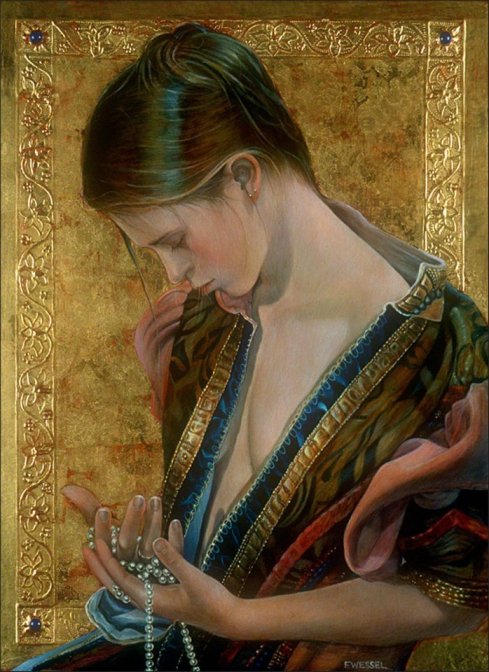
Πίνακας: Fred Wessel


Tags: , , , , ,

Image

Η ασπιρίνη (στίχοι τραγουδιού)

Η ασπιρίνη (στίχοι τραγουδιού)

Στη γλώσσα την κακιά αναμετράει τη ζημιά
αμπάριζα στη φόρα της αρπάζει δυο φιλιά
ξεπέσανε κι οι ώρες τα μαζέψανε πνιχτά
πώς είναι να κρατάς μια σταυρωμένη πεθυμιά;

Αχ, ασπιρίνη, εν ειρήνη, στρογγυλή αυγή
εν οίδα, ότι τα ’χασα με μια ψυχή γυμνή
πορεία κυκλική, αχ ασπιρίνη, πάλι ζει
τ’ ανάθεμα που λιώνει στη λευκή ανακωχή

Σφηνώνει στο λαιμό και χαστουκίζει το λυγμό
μια στο καρφί και μια στο πέταλο, φωνή χτυπώ
φοβάται, κλαψουρίζει και μαρσάρει στο γκρεμό
το ένζυμο το φταίξιμο το παίρνει για εχθρό

Αχ, ασπιρίνη, εν ειρήνη, στρογγυλή αυγή
εν οίδα, ότι τα ’χασα με μια ψυχή γυμνή
πορεία κυκλική, αχ ασπιρίνη, πάλι ζει
τ’ ανάθεμα που λιώνει στη λευκή ανακωχή

Αθήνα 1999

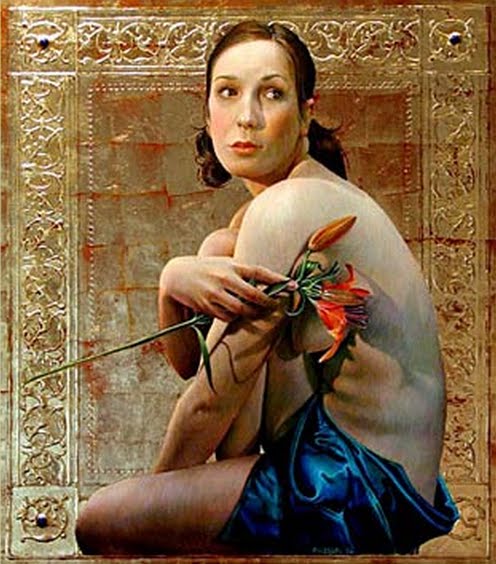
Πίνακας: Fred Wessel


Tags: , , , , ,

Image

Η Σταχτοπούτα (στίχοι τραγουδιού)

Η Σταχτοπούτα (στίχοι τραγουδιού)

Απ’ την αρχή να μιληθώ στο χρόνο προσπαθώ
μα πάλι οι λέξεις επισκέπτες που μεθώ
Στις δώδεκα το πώς και το γιατί αμπαλάρω
και στο κορμί τα ίχνη σου ρωτάω.

Την πρόφαση γι’ απόφαση
φοράω μενταγιόν
η Σταχτοπούτα των καιρών
μα αλλού θέλω να πάω

Σε μπλε βελούδο σιγοντάρω δυο γαρύφαλλα
η μοναξιά φοβίζει τα αμήχανα
Στις δώδεκα χαρίζω κινήσεις λιγοστές
γλυκό νανούρισμα στ’ αλλόκοτα που θες.

Την πρόφαση γι’ απόφαση
φοράω μενταγιόν
η Σταχτοπούτα των καιρών
μα αλλού θέλω να πάω

Αθήνα 2000
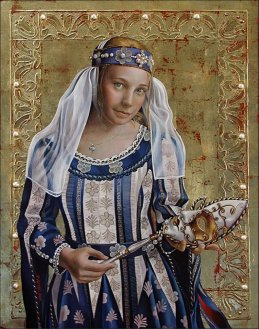
Πίνακας: Fred Wessel
 

Tags: , , , , ,

Image

Πίνακας: Fred Wessel

Πίνακας: Fred Wessel

.

A two week trip that I took to Italy in 1984, had a profound and prolonged influence on my work. At that time I was involved in making a series of aquarium images. I went to Italy to view the art of the Renaissance, for it is my belief that all visual artists, especially realists, should experience and study this work firsthand. I could not have predicted the dramatic impact, both direct and indirect, that this journey of discovery would have on my ensuing work. I believe that in our search for novelty in post-modernist art making, we often lose touch with certain basics: beauty, grace, harmony and visual poetry are nowadays rarely considered important criteria in evaluating contemporary works of art.

Since the Bauhaus, the term ‘precious’ has had a negative connotation in art schools. It was a term used derisively in the 1960’s to describe work that did not adhere to the fashionably pared down kernels of conceptualism or minimalism.

But after seeing the beauty, sensitivity, harmony—the ‘preciousness’—of Italian Renaissance painting—especially the early Renaissance work of artists such as Fra Angelico, Duccio and Simone Martini—I realize that, as artists, we may have abandoned too much. The ever–changing inner light that radiates from gold leaf used judiciously on the surface of a painting, and the use of pockets of rich, intense colors that illuminate the picture’s surface impressed me deeply. It was ‘preciousness’ elevated to grand heights: semi–precious gems such as lapis lazuli, malachite, azurite, etc., were ground up, mixed with egg yolk and applied as paint pigments, producing dazzling, breathtaking colors! The surface of these colors forms a texture that sparkles and reflects light much like gold does, but in ways that are much more subtle than gold.

I look to the early Renaissance as a source of inspiration that I can use along with contemporary content and image making. I look to the Renaissance as the artists of that time looked back to early Greek and Roman art—not as a reactionary but as one who rediscovers and reapplies important but forgotten visual stimuli. ”

Fred Wessel


Tags: , ,

Image

Η τέχνη ως πρόσχημα

Η τέχνη ως πρόσχημαΟ ώριμος και ενσυνείδητος καλλιτέχνης, απόλυτα αυστηρός και ειλικρινής με τον εαυτό του, ασίγαστος αγωγιάτης και κριτής των μύχιων σκέψεων, του σαρκοβόρου ψυχισμού του, της αέναης πλάνης του, που επικαλύπτει το αβάστακτο και τον ποιεί συνιδρυτή των αισθητικών τοπίων του ευνουχισμού του κόσμου, έχει να αποδεχθεί το οξύμωρο της γενεσιουργού ματαιότητας του κοινωνικού του ρόλου και της ύπαρξής του : η Τέχνη του, η όποια Τέχνη, δεν είναι τίποτε άλλο από μία απλή εφεύρεση, ένα βολικό πρόσχημα για τη συμβολική επένδυση αυτής της ακάματης αδυναμίας του απέναντι στο θάνατο (η στρατευμένη τέχνη είναι ένα πρόσφορο παράδειγμα) και της ασίγαστης ορμής να του αντιταχθεί, μέσα από τη διαφορετική του εγγραφή σε κείνο που τον καταστρέφει.

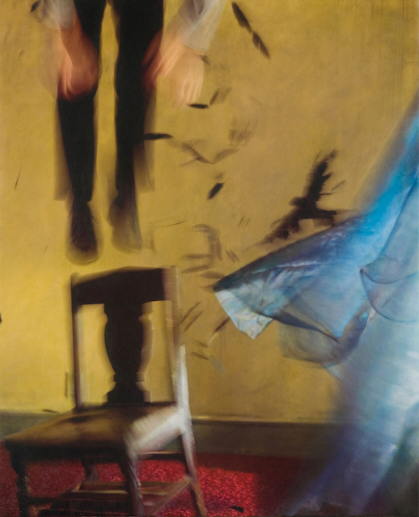
Φωτό: Robert and Shana Parkeharrison


Tags: , , , ,

Image

Φωτό: Fable, Robert and Shana Parkeharrison

?


Tags: ,